

 sale@henanminecranes.com
  +86-0373-3088011
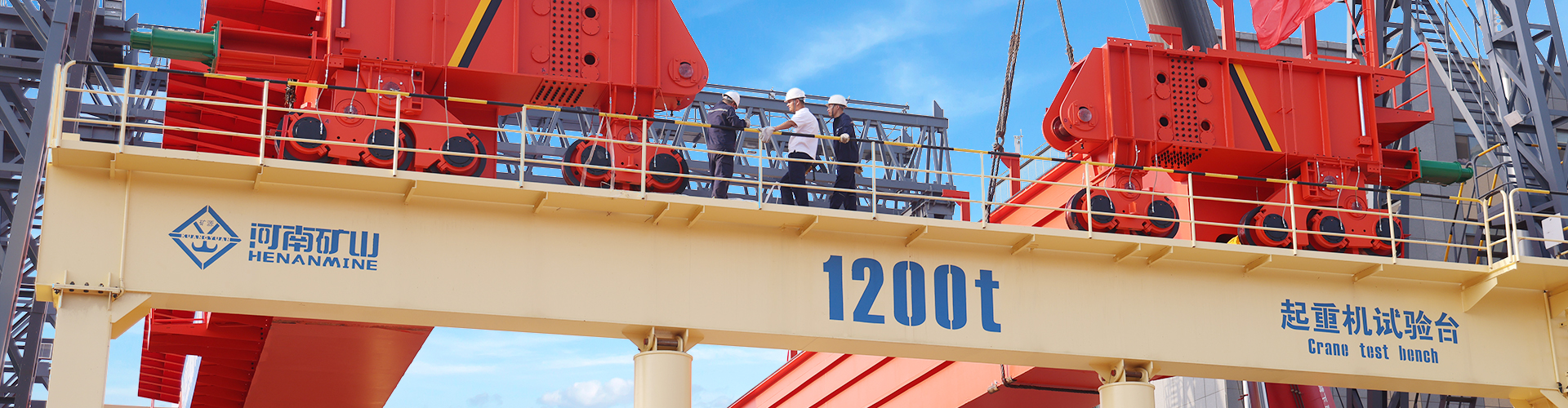
Looking for safe and efficient overhead crane solutions? Our guide breaks down the critical safety requirements for 7 types of removable lifting attachments. Learn how to select the right crane attachments from reputable overhead crane manufacturers and suppliers.
The Critical Role of Removable Attachments
In the world of material handling, whether in a bustling factory, a major port, or on a bridge construction site, the versatility of your overhead crane or hoist is often defined by its attachments. Removable or detachable lifting attachments, known as "non-fixed load lifting attachments," are the key to flexibility. They allow a single industrial overhead crane to handle diverse tasks—from shifting steel plates with plate clamps to maneuvering coils with C-hooks.

However, this flexibility comes with a responsibility for safety. Understanding and adhering to national and international safety standards is not optional; it's essential for protecting personnel, equipment, and the load. This guide will dissect the core safety requirements for the seven primary types of removable attachments, helping you make informed decisions whether you are searching for "overhead cranes for sale" or optimizing your current fleet.
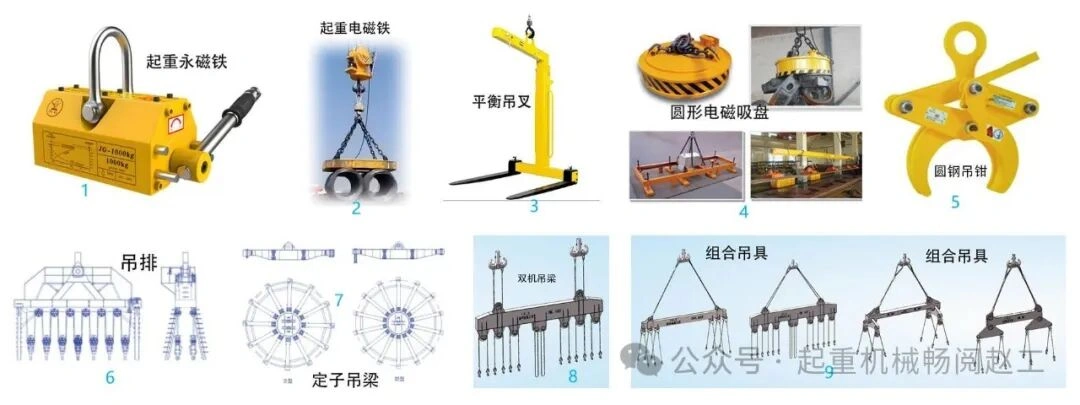
1. The 7 Key Types of Removable Attachments: An Overview
The standard categorizes seven main types, each designed for specific applications. Knowing which one fits your need is the first step toward safe operation.
Plate Clamps: For lifting and turning plates or profiles without power.
Vacuum Lifters (Suction Pads): Use vacuum pressure to handle smooth, non-porous surfaces.
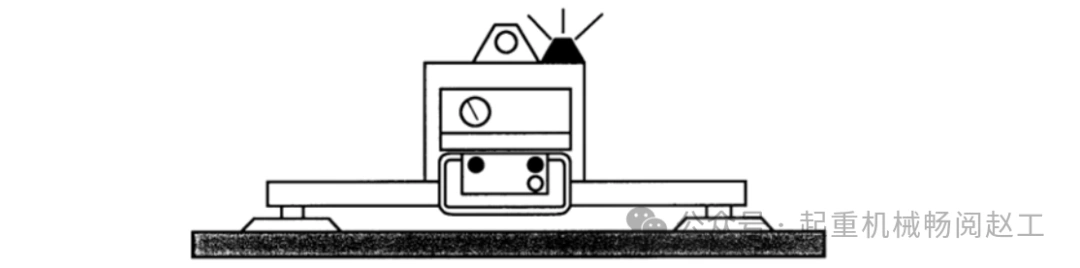
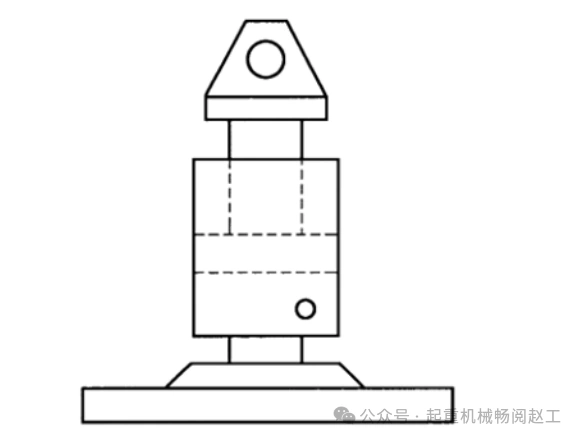
Lifting Magnets: Includes Electric Lifting Magnets and Permanent Lifting Magnets for ferromagnetic materials.
C Type Hook: Specifically designed for hollow loads like coils and pipes.
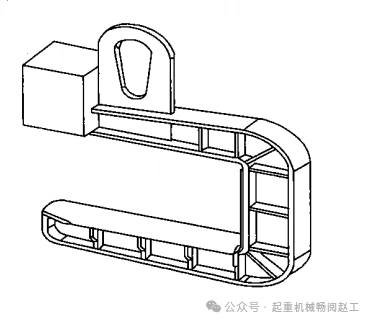
Lifting Forks: For palletized or stacked goods.
Lifting Beams (Container Spreader): To distribute force for awkward or multiple-point lifts.
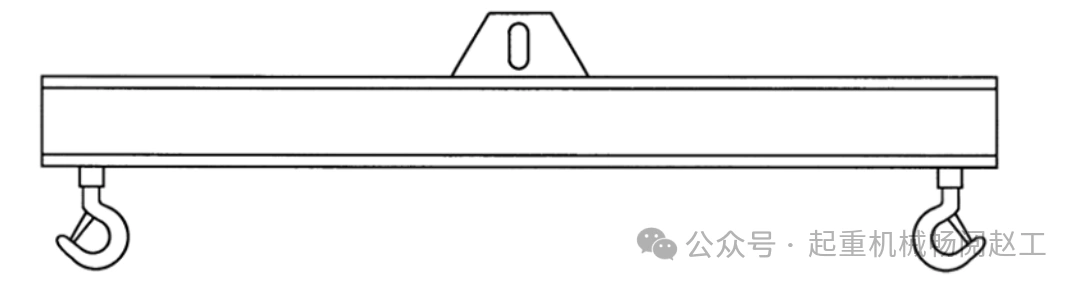
Other Clamps: General-purpose clamping devices.
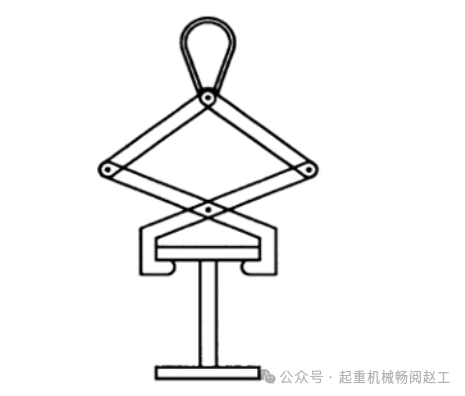
What the Standards Don't Cover: It's crucial to note that these standards do not apply to attachments for lifting people, slings, ladle cranes for molten metal, pot tending machines, grabs, or containers. Specialized standards exist for these high-hazard applications.
2. Universal Safety Principles for All Attachments
Before diving into specifics, every attachment must meet general safety criteria:
Strength & Stability: Attachments must withstand 3x their Working Load Limit (WLL) without releasing the load, and 2x WLL without permanent deformation. They must also remain stable when stored, not tipping over at a 10° incline.
Clear Marking: Permanent markings must show the WLL (in kg or t), manufacturer details, serial number, and weight (if significant). This is non-negotiable for traceability and safe use.
Ergonomics: Manually guided attachments require handles to prevent finger injuries.
3. Deep Dive: Key Requirements for Popular Attachments
A. Vacuum Lifters: Don't Lose Your Grip
Vacuum attachments are excellent for panels, glass, or stone. Safety revolves around maintaining that "grip."
Safety Factor: They must hold 2x the WLL at maximum operational tilt.
Power Failure Protection: Powered vacuum lifters must have a pressure gauge and a backup system (like an accumulator with a check valve) to prevent immediate load drop in case of power loss. Audible/visual alarms are mandatory if vacuum is lost.
Critical Rule: For areas where people might be exposed (exposure areas), an additional secondary positive holding device (like a mechanical latch) or a dual-vacuum system is required.
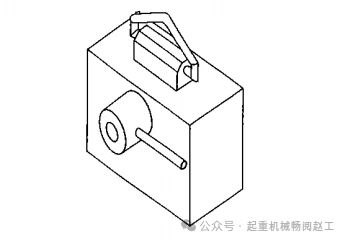
B. Lifting Magnets: Power and Permanence
Electric Lifting Magnets: Must provide a 2x WLL tear-off force. Battery-powered units need a low-power alarm (10 min warning). Mains-powered units require a backup battery (for at least 10 min of hold) and a power failure alarm, unless used under strict height (<1.8m) and weight (<20kg) restrictions in controlled zones.
Permanent & Electro-Permanent Magnets: These must provide a higher 3x WLL tear-off force. Clear "on/off" indication is vital.
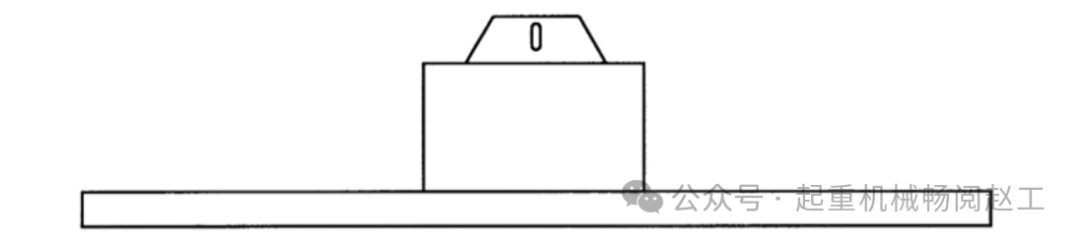
C. C-Hooks and Lifting Beams: Geometry is Key
C-Hooks: An unloaded hook must hang within 5° of level for easy loading. A key safety requirement is to prevent the load from sliding off, achieved by an upward hook tip angle (≥5°), chains/straps, or a clamping system.
Lifting Beams: These complex attachments require secure locking to the crane hook. Load-securing devices on the beam must be visible and positively locked. Beams designed for level use must tolerate a 6° tilt.
4. How to Choose the Right Attachment: A Buyer's Checklist
When evaluating overhead crane companies and overhead crane suppliers for attachments, consider this checklist:
Match the Load: Is it a steel coil, a concrete panel, or a stack of sheets? The load dictates the type.
Verify the WLL: Never exceed it. Remember, the WLL factors in dynamic forces during lifting.
Check for Certification & Marking: Ensure it meets relevant standards (GB/T, ISO, ASME) and is clearly marked.
Consider the Environment: Is it an exposure area? Are there explosives or high temperatures? Standard attachments may not suffice.
Plan for Failure: What are the backup systems? (e.g., battery backup for magnets, accumulators for vacuum).
Think About Ergonomics: How will operators connect and guide it? Are handles and controls well-designed?
Safety and Efficiency Go Hand-in-Hand
Selecting the correct removable lifting attachment is a critical decision that impacts both operational efficiency and worksite safety. By understanding these fundamental safety requirements—from static strength tests to specific rules for magnets and vacuum lifters—you empower your team to work smarter and safer.
Investing in high-quality, compliant attachments from reputable overhead crane manufacturers is an investment in peace of mind and productivity. Always consult the manufacturer's manual and ensure your operators are fully trained on the specific attachment's safe use.
Looking for reliable overhead crane solutions and certified attachments? [Your Company Name] partners with leading manufacturers to provide a full range of safe, compliant lifting equipment. Contact us today for a consultation to ensure your lifting operations meet the highest safety standards.