PRODUCT INTRODUCTION
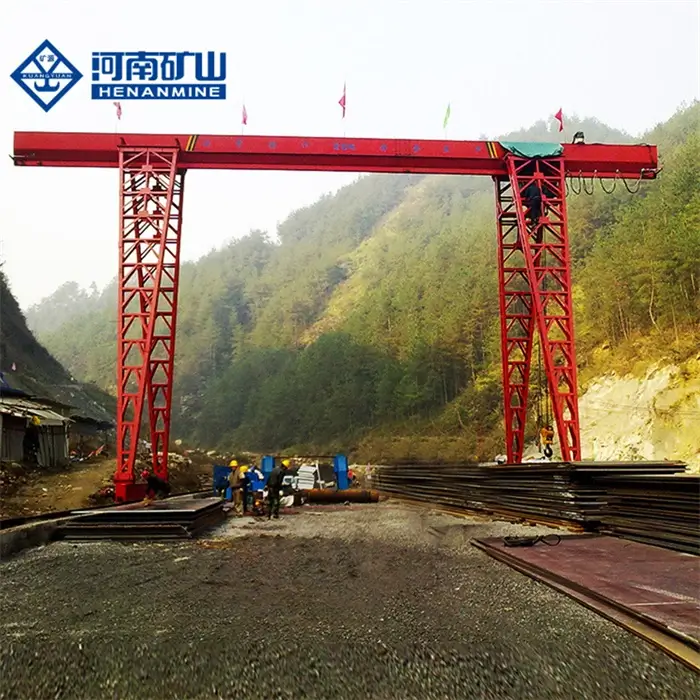
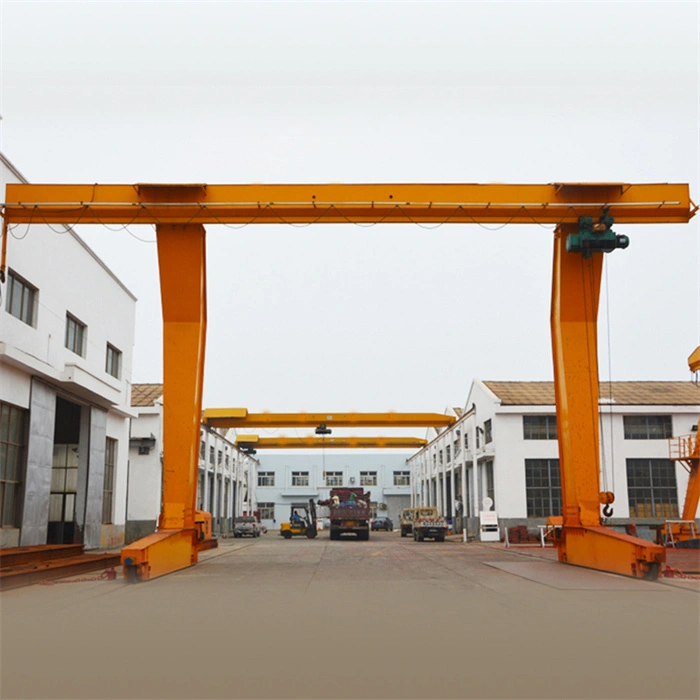
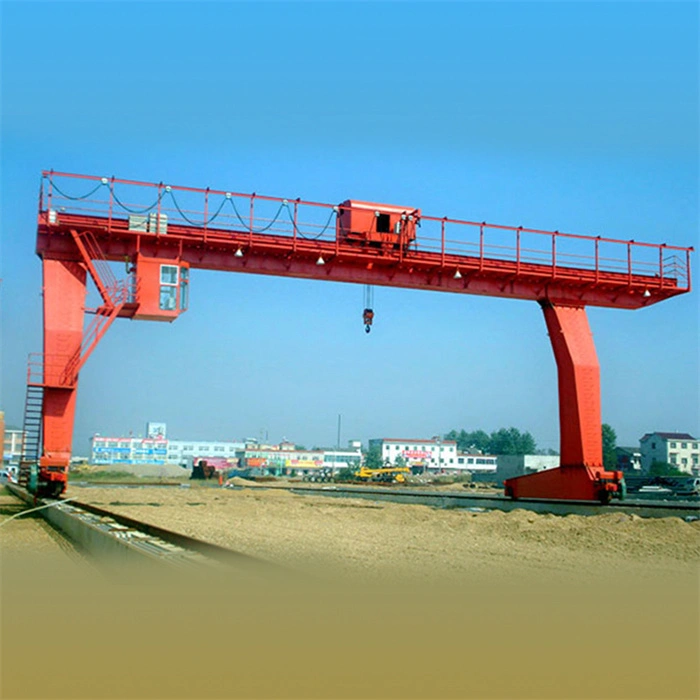
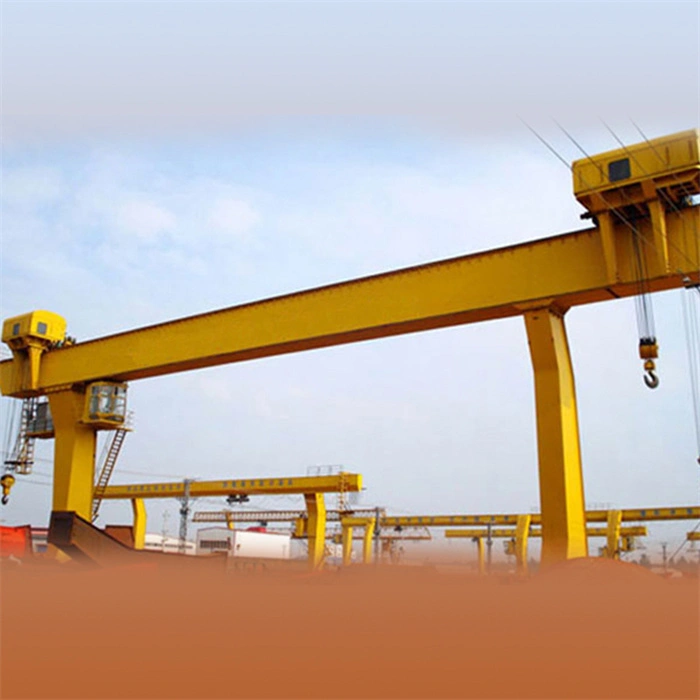
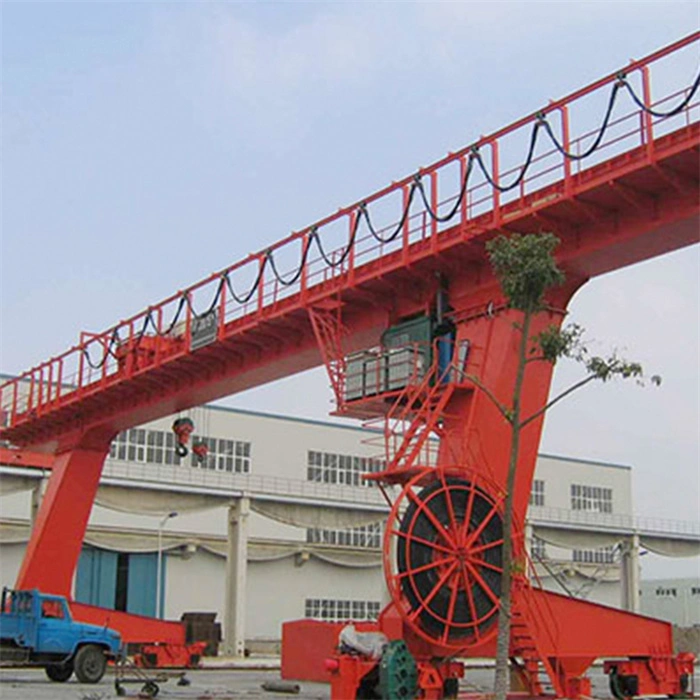
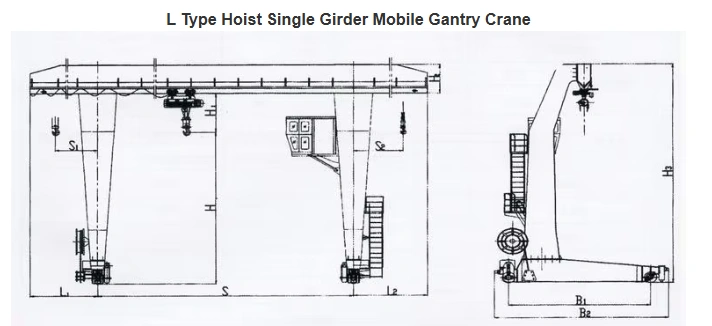
The L‑Shape Electric Hoist Rail Traveling Frame Crane is a space‑optimized material handling solution designed for facilities where a full‑sized gantry crane is impractical due to space constraints, building layout, or cost considerations. This crane features a distinctive “L” shaped frame: one leg runs on a floor‑mounted rail (the long leg), while the other side of the bridge is supported directly on an existing building structure (e.g., a wall, roof beam, or column) via a wall‑mounted rail or a short leg. This asymmetric design allows the crane to cover a working area close to walls or in narrow aisles while maximizing usable floor space.
APPLICATION
1. Warehouse Loading Docks with Wall Support
Truck Loading/Unloading: Lifting pallets or heavy goods from the dock floor onto trucks, with the wall‑side rail mounted on the warehouse wall, leaving the dock area unobstructed.
Container Stuffing: Loading cargo into shipping containers positioned under the crane, using the wall support to save floor space.
Cross‑Docking: Transferring goods between inbound and outbound trucks in narrow dock areas.
2. Narrow Aisle Warehouses
Pallet Retrieval from Racking: Operating in aisles as narrow as 2‑3 meters, where a full gantry or forklift cannot maneuver. The L‑leg runs on a floor rail close to the racks, while the other side runs on a wall or ceiling rail.
High‑Density Storage: Stacking pallets or bins in tight storage cells, using the crane’s precise positioning.
Order Picking: Lifting heavy items from racking and placing them onto carts or conveyors.
3. Workshop & Production Lines Along Walls
Machine Tending: Lifting raw materials (bars, plates, castings) from storage bins or pallets into CNC machines, lathes, or presses located near the workshop wall.
Assembly Support: Moving subassemblies along a production line that runs parallel to a wall, using the wall‑mounted rail to save floor space for workers and equipment.
Finished Goods Removal: Lifting completed products from machines and placing them onto pallets for shipping.
4. Maintenance Areas in Factories
Equipment Servicing: Lifting motors, pumps, gearboxes, or compressors for repair, with the crane positioned along a workshop wall where a full bridge crane would interfere with overhead cranes or lighting.
Tool & Fixture Handling: Retrieving heavy tooling from wall‑mounted storage racks and moving them to workbenches.
Vehicle Maintenance (Trucks, Buses): Lifting engines, transmissions, or axles in a service bay where the wall side supports the crane, leaving the bay floor clear.
5. Metal Fabrication Shops
Plate & Sheet Feeding: Lifting steel plates from a floor stack (near the wall) onto a cutting table or press brake, using the L‑shape crane to cover the area without a central column.
Weldment Positioning: Moving heavy welded subassemblies (e.g., frames, tanks) along a wall‑side work line.
Scrap Removal: Lifting scrap bins or waste containers from the fabrication area to a disposal point.
6. Precast Concrete Plants (Small Elements)
Mold Handling: Lifting and repositioning steel molds for small precast products (e.g., paving stones, manhole rings) along a wall‑mounted rail system.
Reinforcement Cage Placement: Moving rebar cages into casting beds located near the plant wall.
Finished Product Stacking: Stacking finished concrete products on pallets for curing or shipping.







 sale@henanminecranes.com
  +86 16627702870